Contact
Cherokee Brick Blog
The Psychology of Brick: Why Humans Trust Brick Buildings More
by Anna Palmer
Posted on January 6, 2026 11:24 AM
The Psychology of Brick: Why Humans Trust Brick Buildings More
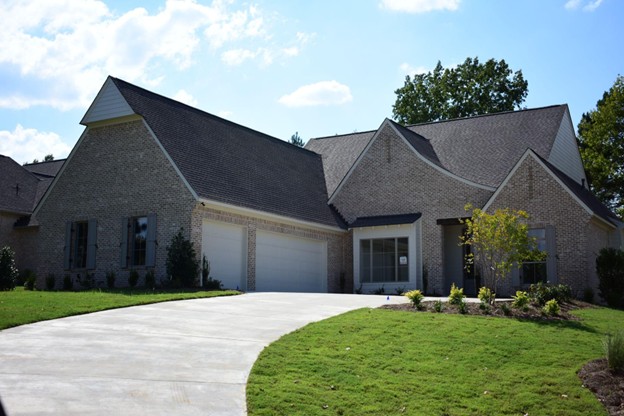
Mosstown - Georgia Classic Collection
When people describe a building as “solid,” “safe,” or “well-built,” they are often describing a feeling before they are describing a fact. Materials communicate long before a visitor ever touches a wall or walks through a door. Among all exterior materials, brick holds a unique psychological position: humans instinctively trust it.
This trust is not accidental, it’s deeply rooted in how we perceive permanence, protection, and authenticity.
Mass signals safety
Brick is heavy. Even when people don’t consciously register weight, the visible thickness and texture of brick walls send a powerful signal to the brain: this structure will not move. Studies in environmental psychology show that humans associate visual mass with stability and security. Brick buildings feel anchored to the ground, especially when compared to lighter-looking materials like siding or panels.
This is why schools, libraries, courthouses, and banks have historically been built with brick. These institutions rely on public trust, and brick quietly reinforces that message.
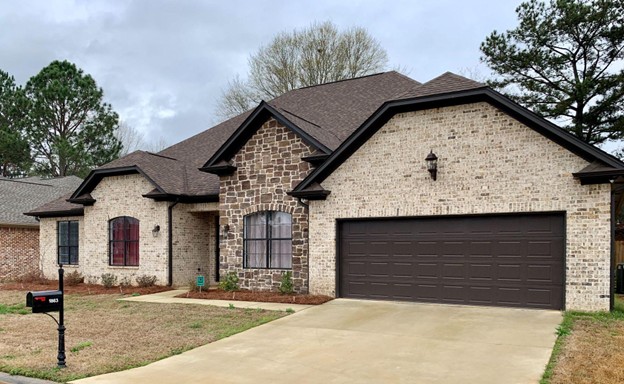
Magnolia - Georgia Classic Collection
Texture builds credibility
Smooth, uniform surfaces can feel artificial or temporary. Brick, by contrast, is textured, irregular, and imperfect. These variations, such as slight color shifts, natural edges or mortar lines signal authenticity. The human brain tends to trust things that appear handcrafted or time-tested over things that look overly manufactured.
In design psychology, this is sometimes referred to as honest material expression. Brick looks exactly like what it is. There’s no illusion, no disguise, no attempt to be something else.
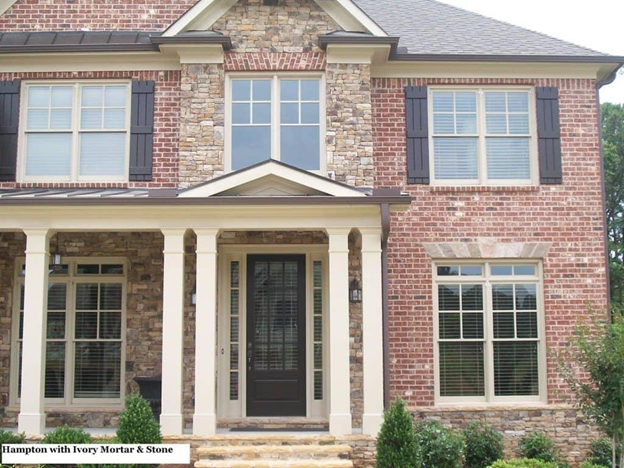
Hampton- Georgia Classic Collection
Time creates emotional proof
Brick also benefits from a psychological phenomenon known as “survivorship bias.” We see brick buildings that have stood for decades, or centuries, and subconsciously assume brick is responsible for that longevity. Weathered brick doesn’t read as damaged; it reads as proven.
Materials that degrade poorly create anxiety. Brick ages gracefully, developing patina rather than visible failure. That visual resilience reassures homeowners and visitors alike that the structure is dependable.
Brick feels permanent in a disposable world
Modern life is filled with temporary things such as devices, finishes, even homes designed around short trend cycles. Brick stands in contrast to this culture of replacement. Psychologically, permanence equals value. When people see brick, they associate it with long-term investment, responsibility, and intention.
This perception affects more than aesthetics. Real estate studies consistently show that buyers associate brick homes with higher quality construction and lower long-term maintenance, even before reviewing technical details.
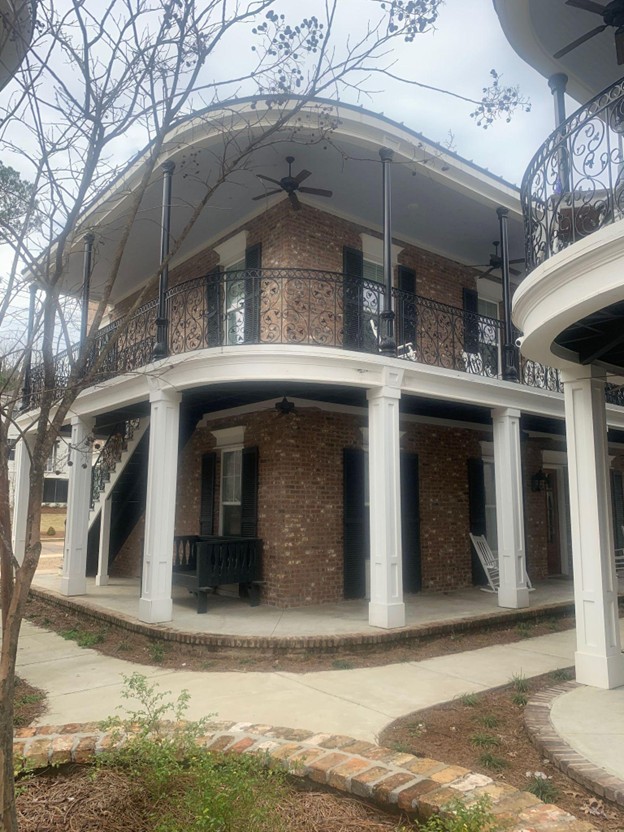
Andersonville - Georgia Handcrafted Collection
Familiarity breeds comfort
Brick has been used across cultures and centuries, from ancient architecture to modern neighborhoods. This deep familiarity matters. Humans are wired to trust what they recognize. Brick doesn’t feel experimental or risky, it feels known.
That familiarity also makes brick emotionally grounding. It connects new buildings to older ones, tying modern design to architectural memory.
Trust You Can Feel
Ultimately, brick’s psychological advantage lies in how it makes people feel without explanation. It communicates strength without shouting, permanence without exaggeration, and authenticity without decoration.
In a world increasingly dominated by virtual experiences and short-lived materials, brick remains reassuringly real. And that may be its most powerful quality of all.