Contact
Cherokee Brick Blog
Why Brick Is the Quiet Hero of Fire-Resistant Construction
by Anna Palmer
Posted on March 3, 2026 11:42 AM
Why Brick Is the Quiet Hero of Fire-Resistant Construction

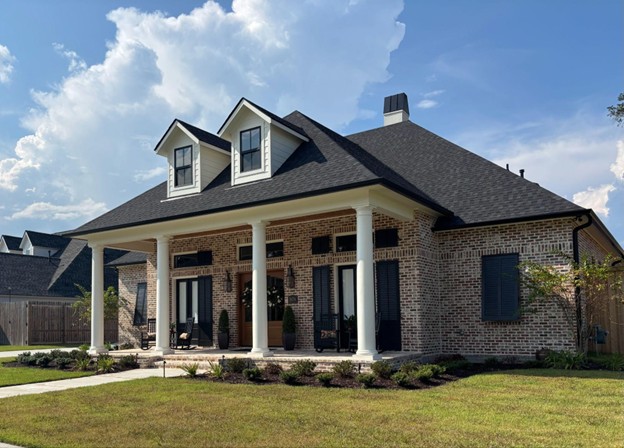
Oxford Brick with Ivory Mortar
When people think about the benefits of brick, they often focus on its timeless appearance, durability, or low maintenance. However, one of brick’s most important qualities is also one of the least talked about: its natural fire resistance. In fact, brick has played a critical role in improving building safety for centuries, quietly protecting homes, businesses, and communities from the devastating effects of fire.
At its core, brick is made from clay and shale that are shaped and then fired in a kiln at extremely high temperatures. This firing process essentially “pre-burns” the material, meaning the finished product is already hardened by heat. Because of this, brick does not ignite, melt, or burn when exposed to flames. Unlike many modern construction materials, it does not contribute fuel to a fire.
This characteristic makes brick an inherently fire-resistant building material. Structures built with brick can help slow the spread of flames, providing valuable time for occupants to evacuate and for emergency responders to contain the situation.
Throughout history, this property has influenced how cities were built. In the 19th century, devastating urban fires destroyed large sections of many towns and cities. One of the most famous examples is the Great Chicago Fire of 1871, which destroyed thousands of wooden buildings. In the aftermath of such disasters, many communities adopted stricter building regulations that encouraged or required fire-resistant materials like brick.
The shift toward brick construction significantly improved urban fire safety. Brick walls act as barriers that can contain fires within a structure or prevent them from spreading rapidly to neighboring buildings. This is particularly important in densely built areas where structures are close together.
In residential construction, brick can also contribute to safer home design. A brick exterior does not catch fire from stray sparks, outdoor grills, or nearby flames in the way that some siding materials might. This added layer of protection can help reduce the risk of fire damage starting from the outside of the home.
Brick’s density also plays a role in its performance during fires. Because it is a heavy, solid material, brick can maintain its structural integrity longer under high temperatures compared to lighter materials. This can help a building remain stable during a fire event, reducing the likelihood of rapid collapse.
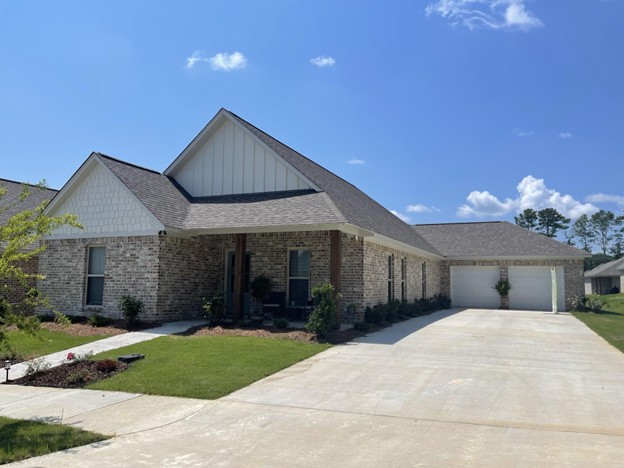
Shellmans Bluff with Ivory Mortar
For architects and builders, choosing brick is not just about aesthetics or tradition, it can also be part of a thoughtful approach to safety and resilience. Materials that resist fire help create structures designed to protect both people and property.
Cherokee Brick continues a long tradition of producing durable clay brick products that support safe, reliable construction. While brick’s beauty often gets the spotlight, its performance behind the scenes is just as impressive.
In many ways, brick truly is the quiet hero of construction. It stands strong, looks timeless, and when it matters most, it helps protect the structures and communities built with it.