Contact
Cherokee Brick Blog
Winter-Ready: Why Brick Homes Are Ideal for Cold Weather
by Anna Palmer
Posted on December 18, 2025 11:19 AM
Winter-Ready: Why Brick Homes Are Ideal for Cold Weather
As temperatures drop and winter weather settles in, homeowners often begin thinking about how well their home stands up to the cold. Insulation, heating systems, draft protection, and weather-resistant materials all play a role, but one of the most effective and often overlooked components is the material your home is built with. Brick has been a trusted building material for centuries, and winter is when its true strengths shine. From energy efficiency to durability, brick offers unique advantages that make it an ideal choice for cold-weather climates.
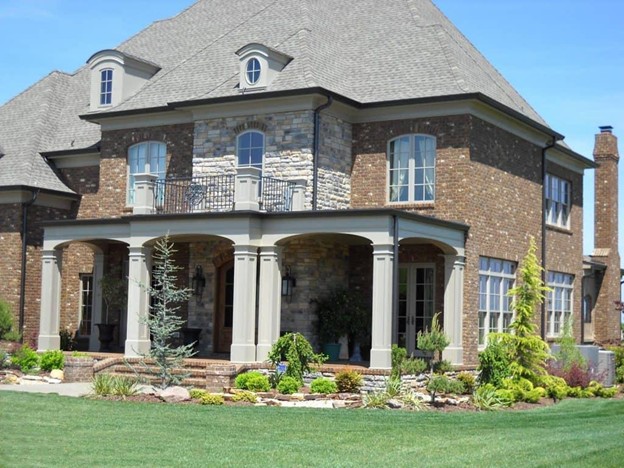
Savannah Gray- Georgia Classic Collection
Superior Thermal Mass for Cozy Indoor Temperatures
One of the biggest benefits of brick is its natural thermal mass and its ability to store and slowly release heat. During the daytime, brick absorbs heat from sunlight and indoor heating. When temperatures drop at night, brick gradually releases that stored heat back into the home, helping maintain comfortable indoor temperatures without forcing your heating system to work overtime.
This passive temperature regulation not only enhances comfort but can also reduce energy consumption during winter months. Homeowners benefit from a more stable interior environment and potentially lower utility bills, making brick an environmentally friendly and cost-effective choice.
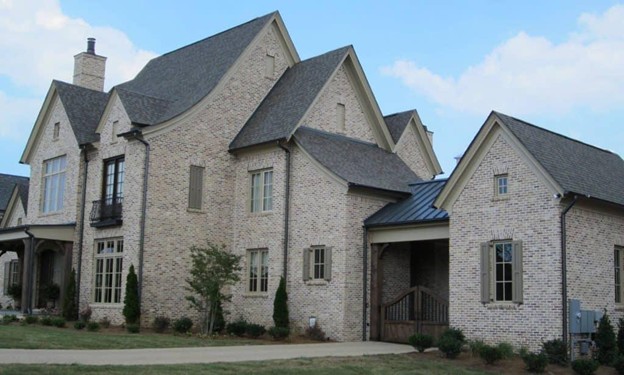
Montgomery - Heritage Collection
Outstanding Durability in Harsh Winter Conditions
Winter weather can be unpredictable. Heavy snow, moisture, wind, and freezing temperatures all put stress on a home’s exterior. Unlike siding materials that may crack, warp, or deteriorate under harsh conditions, brick is naturally resilient.
Brick can withstand freeze-thaw cycles far better than many alternative materials. Its density and structure allow it to repel moisture, reducing the risk of mold, mildew, and rot, problems that can become especially troublesome during long, damp winter spells. With proper installation and occasional maintenance, brick can last for generations with minimal upkeep, even in the toughest winter environments.
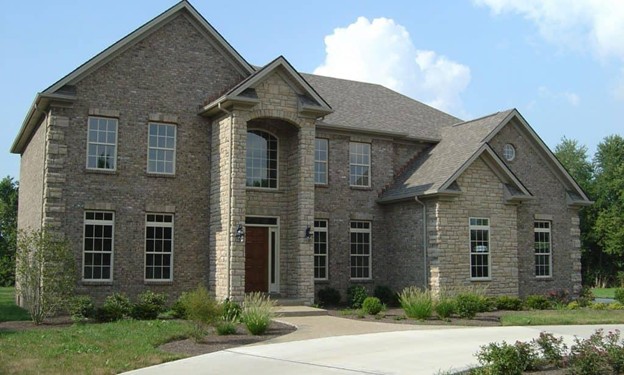
Mosstown - Mississippi Classic Collection
Low Maintenance Home Protection
Winter often brings challenges like icy conditions, sudden storms, and freezing rain. Home exteriors take the brunt of this stress, but brick’s inherent longevity means it requires far less wintertime care than wood or synthetic materials. There’s no need for seasonal repainting, sealing, or patching. Brick maintains its strength and appearance year after year.
For homeowners looking to minimize winter maintenance tasks, brick is one of the most reliable materials available.
Healthier Indoor Air Quality
Cold months often push people indoors for extended periods, making indoor air quality more important than ever. Brick’s ability to resist moisture helps prevent mold and mildew growth, two common contributors to poor air quality in winter. With brick, homeowners can enjoy a healthier living environment without worrying about moisture-related issues.
Preparing Your Brick Home for Winter
Although brick is low-maintenance, a few simple steps can help keep your home in excellent shape:
Inspect mortar joints and repair any cracks or gaps
Ensure proper drainage around the home to avoid water pooling
Check caulking around windows and doors
Clear gutters to prevent overflow onto brick walls
Whether you’re building a new home or renovating an existing one, brick provides exceptional winter performance, long-term value, and timeless beauty. When the weather outside turns frigid, a brick home offers warmth, protection, and peace of mind all season long.